
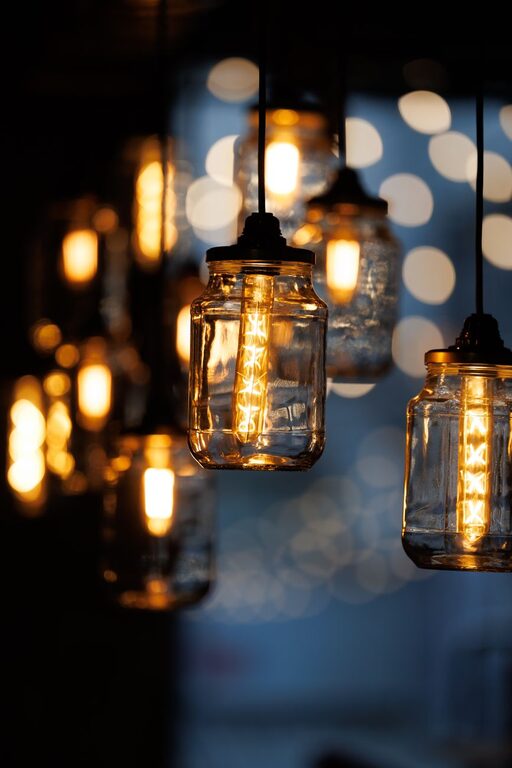
Creating a comfortable home environment involves many factors, and lighting plays a crucial role in setting the right mood and functionality. Proper lighting not only illuminates your space but also enhances your comfort and well-being. Whether you are redesigning a room or updating your lighting fixtures, choosing the right home lighting can transform your living space into a cozy, inviting haven. This guide offers helpful tips to pick comfortable home lighting that matches your needs and style.
Understanding the Basics of Home Lighting
Before diving into specific tips, it’s important to know the main types of home lighting:
– Ambient lighting: The general light that fills the room, providing overall illumination.
– Task lighting: Focused light designed for specific activities, like reading or cooking.
– Accent lighting: Decorative lighting used to highlight art, plants, or architectural features.
A well-lit home uses a combination of these layers to create balance and comfort.
Choose the Right Light Bulbs
Selecting the right type of light bulb significantly impacts the comfort of your home lighting.
Color Temperature
Light bulbs come with different color temperatures, measured in Kelvins (K). The color temperature affects how “warm” or “cool” the light feels.
– Warm light (2700K–3000K): Soft, yellowish light that creates a cozy and relaxing atmosphere. Ideal for living rooms and bedrooms.
– Neutral light (3500K–4100K): Balanced, white light suitable for kitchens, bathrooms, or workspaces.
– Cool light (5000K–6500K): Bright, bluish light that mimics daylight. Good for task areas but may feel harsh for relaxing spaces.
Brightness and Lumens
Instead of focusing on wattage, check the lumens rating, which measures brightness.
– For a cozy room, aim for 800–1600 lumens per fixture.
– For work areas, brighter lights around 1600–3000 lumens may be necessary.
Look for adjustable lighting to tailor brightness throughout the day.
Consider Lighting Placement and Layers
Layer Your Lighting
Using multiple light sources at different heights and locations helps avoid harsh shadows and creates a comfortable, dynamic environment.
– Combine ceiling lights (ambient) with table lamps or floor lamps (task and accent).
– Use dimmers to adjust light intensity based on the time of day or activity.
– Position task lights where you do focused work, like reading or cooking.
Avoid Glare and Harsh Shadows
Glare can cause discomfort and strain your eyes. To minimize glare:
– Use lampshades or diffusers to soften the light.
– Avoid placing bright light sources directly in your line of sight.
– Consider indirect lighting that bounces off walls or ceilings.
Match Lighting to Your Room’s Function
Different rooms have unique lighting needs. Here are some tips to suit various spaces:
Living Room
This is a space for relaxation and socializing. Use warm ambient lighting with cozy table or floor lamps. Accent lighting can highlight art or shelves.
Kitchen
Bright, neutral lighting helps with food preparation. Combine overhead lights with under-cabinet fixtures to avoid shadows on counters.
Bedroom
Choose soft, warm lighting for a calming atmosphere. Bedside lamps with adjustable brightness make reading comfortable without disturbing others.
Bathroom
Bright, neutral lighting is essential for grooming tasks. Avoid overly harsh lights; consider lights around mirrors for even illumination.
Opt for Energy-Efficient Lighting
Comfortable lighting doesn’t have to mean high energy use. Modern LED bulbs offer:
– Long lifespan
– Lower energy consumption
– Adjustable color temperatures
– Instant illumination without flickering
Choosing energy-efficient bulbs can save money while maintaining comfort.
Personalize Your Lighting Style
Lighting also reflects your personal taste and the décor of your home.
– Select fixtures that match your style, whether modern, rustic, or classic.
– Consider smart lighting options for convenience and customization.
– Use decorative lamps to add character and warmth.
Test and Adjust
Once you install your lighting, spend time in the space during different times of the day. Adjust brightness levels and fixture positions if needed to achieve the best comfort.
Final Thoughts
Choosing comfortable home lighting involves balancing brightness, color temperature, placement, and style. By layering different types of lighting and selecting the right bulbs, you can create a welcoming and functional atmosphere throughout your home. Remember, lighting can change the way you feel in a room, so take your time to find the best combination for your space. Happy lighting!